
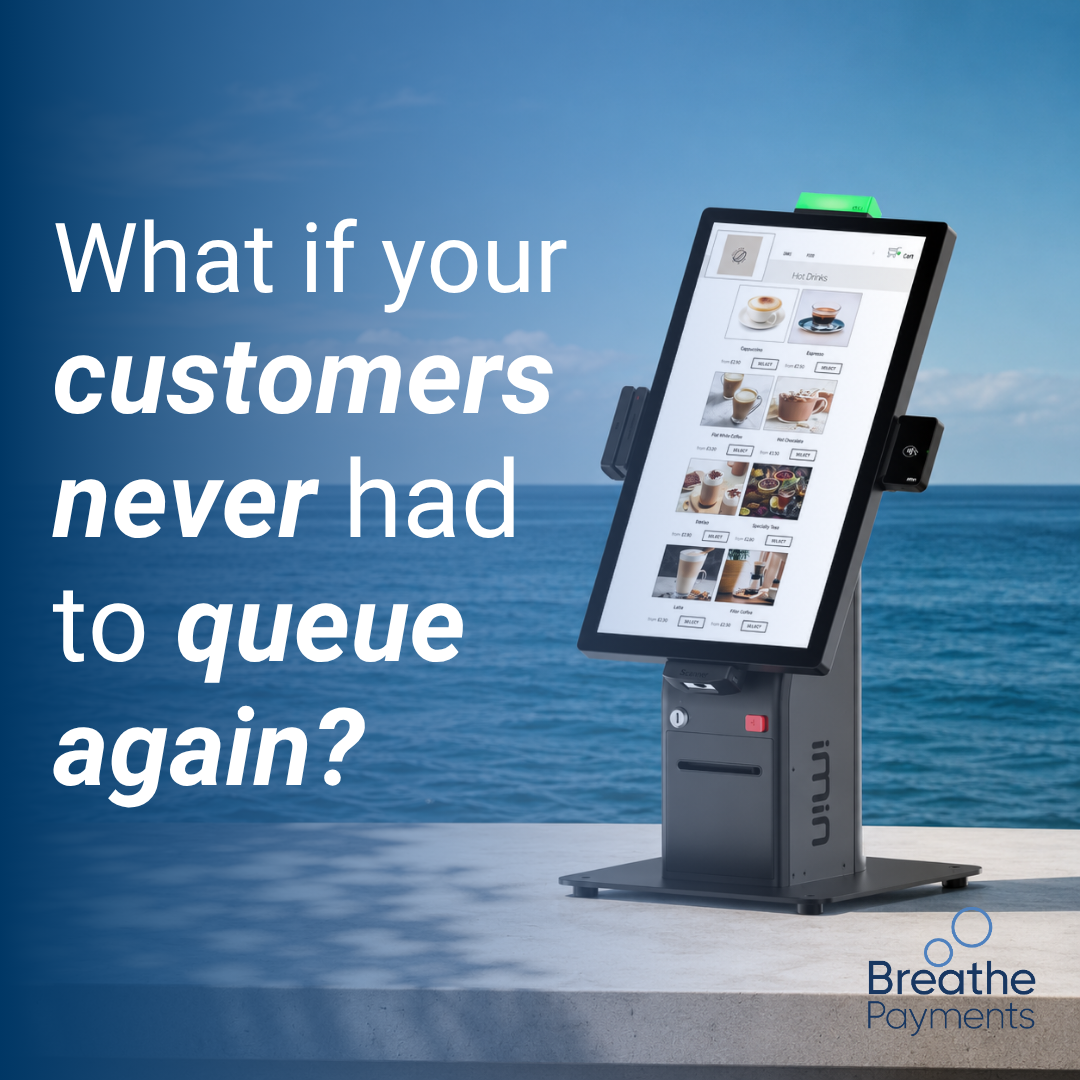
Transforming Customer Experience With Self-Service Kiosks
Self-Service Kiosks Are Changing The Customer Experience
Table of Contents
ToggleCustomer expectations have changed dramatically over the last few years. People now expect faster service, shorter queues, and more flexibility when interacting with businesses.
As a result, self-service kiosks are becoming a key part of modern customer experience strategies across hospitality, retail, events, healthcare, and entertainment industries.
From ordering food and checking in to making payments and managing appointments, kiosk technology is helping businesses streamline operations while creating a smoother and more convenient customer journey.
What Are Self-Service Kiosks?
Self-service kiosks are interactive touchscreen systems that allow customers to complete tasks without direct staff assistance.
Depending on the business type, kiosks can be used for:
- Ordering food and drinks
- Retail self-checkout
- Hotel or event check-ins
- Ticket purchasing
- Appointment management
- Payment processing
- Customer information services
Many modern kiosks now integrate directly with EPOS systems, payment solutions, kitchen display systems, inventory software, and customer databases to create a fully connected service environment.
Why More Businesses Are Investing In Kiosk Technology
Businesses are increasingly adopting self-service kiosks because they improve both operational efficiency and the overall customer experience.
Faster Service & Reduced Queues
One of the biggest advantages of self-service kiosks is speed. Customers can place orders, make payments, or check in without waiting for staff assistance.
In busy environments such as restaurants, cafés, cinemas, retail stores, and event venues, reducing queue times can have a major impact on customer satisfaction while also helping businesses serve more customers during peak trading periods.
For hospitality businesses especially, kiosks can help reduce pressure on front-of-house teams while maintaining fast service during busy hours.
Improved Order Accuracy
Manual ordering errors can lead to delays, incorrect orders, wasted stock, and poor customer experiences.
Self-service kiosks reduce this risk by allowing customers to input their own selections directly into the system. This is particularly useful in food and beverage environments where customers may want to customise meals, select modifiers, or add dietary preferences.
Because orders go directly into the EPOS or kitchen system, there is less chance of miscommunication between staff and customers.
Lower Operational Pressure
Kiosks are not necessarily designed to replace staff. Instead, they help businesses manage workloads more efficiently by automating repetitive tasks.
This allows employees to focus on areas that add more value to the customer experience, such as:
- Customer support
- Food preparation
- Upselling
- Table service
- Stock management
During busy trading periods, kiosks can also help businesses continue serving customers efficiently without needing additional tills or ordering stations.
Creating A More Convenient Customer Experience
Modern consumers increasingly prefer digital and self-service experiences, particularly in fast-paced environments.
Self-service kiosks give customers more control over how they browse, order, and pay. They also allow customers to move through the process at their own pace without feeling rushed.
Features that improve the customer experience include:
- Faster ordering and checkout
- Contactless payment options
- Digital receipts
- Personalised product recommendations
- Accessible touchscreen interfaces
- Multiple payment methods
For repeat customers, some systems can even remember previous orders or preferences to create a more personalised experience over time.
The Role Of Card Payments In Modern Kiosks
Payment technology has also evolved alongside self-service systems.
While some kiosks still work alongside traditional card machines, many newer solutions now include fully integrated or embedded card payment technology directly within the kiosk itself.
This creates a more seamless customer experience while also simplifying the setup for businesses.
Benefits of integrated kiosk payments include:
- Faster checkout experiences
- Reduced hardware complexity
- Fewer cables and connection points
- Lower maintenance requirements
- A smoother on-screen customer journey
- Improved reliability during busy periods
Customers can complete the full journey — from browsing and ordering to paying and receiving confirmation — all from a single screen.
For businesses, this can help create a cleaner setup while improving transaction speed and reducing queue bottlenecks.
Valuable Data & Business Insights
Self-service kiosks do more than simply process transactions. They also provide valuable operational and customer insight.
Every interaction can generate useful data on:
- Popular products
- Customer buying behaviour
- Peak trading times
- Average transaction values
- Customer preferences
- Ordering trends
Businesses can use this information to improve stock management, optimise menus, create targeted promotions, and make more informed operational decisions.
For example, restaurants can identify bestselling menu items, while retailers can track which products customers browse most frequently before purchasing.
Self-Service Kiosks Across Different Industries
Self-service technology is now being used across a wide range of sectors.
Hospitality & Restaurants
Restaurants, cafés, takeaways, and quick-service venues use kiosks to speed up ordering, reduce queues, and improve service efficiency. Many systems now integrate directly with kitchen displays and EPOS software for faster order management.
Retail
Retail businesses use kiosks for self-checkout, loyalty programs, product browsing, click-and-collect services, and customer account management.
Events & Entertainment
Venues such as cinemas, stadiums, and event spaces use kiosks for ticket collection, food ordering, and fast-track customer check-ins.
Healthcare & Service Environments
Healthcare providers and service-based businesses use kiosks for appointment check-ins, customer registration, and queue management.
The Future Of Self-Service Technology
As customer expectations continue to evolve, self-service kiosks are expected to become even more intelligent, personalised, and connected.
Advancements in payment technology, cloud-based EPOS systems, AI-driven recommendations, and customer analytics are all helping businesses create faster and more efficient service experiences.
Businesses that adopt modern kiosk technology early are likely to gain a competitive advantage by improving convenience, reducing friction, and creating a smoother customer journey.
Final Thoughts
Self-service kiosks are transforming how businesses interact with customers. From reducing queues and improving order accuracy to streamlining payments and gathering valuable business insight, kiosks are becoming an important part of modern business operations.
For businesses looking to modernise their setup, Breathe Payments offers a range of self-service kiosks, smart EPOS systems, mobile POS solutions, and integrated payment technology designed for hospitality, retail, restaurants, cafés, and service-based businesses.
As customer expectations continue to shift towards faster and more convenient experiences, investing in modern kiosk and payment technology can help businesses stay competitive while improving day-to-day operations.